
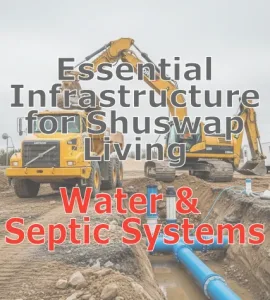
 Building or maintaining a home in the Shuswap region is a dream for many, but it comes with unique logistical challenges that require specialized knowledge. The natural beauty of the area is defined by its varied topography, ranging from the steep, rocky hillsides of Blind Bay to the lush, silty lowlands of Sorrento. While many homeowners focus on the aesthetic design of their residence, the true foundation of a functional home lies beneath the surface. Navigating the complexities of Blind Bay Water Systems, septic designs, and local environmental regulations is the most critical step in any property development project. Without a robust plan for water and waste, even the most luxurious home becomes uninhabitable.
The Foundation of Health: Blind Bay Septic Systems
In rural and semi-rural areas like the Shuswap, a traditional municipal sewer connection is not always an option. This is where the importance of professional septic design becomes apparent. A septic system is not merely a tank in the ground; it is a complex biological treatment facility that must be tailored to the specific characteristics of your land.
The process begins with a site assessment and a percolation test. In Blind Bay, the soil composition can vary significantly over a short distance. You may find pockets of heavy clay that do not drain well, or rocky outcroppings that prevent deep excavation. Blind Bay Septic Systems must be designed to handle these variables. If the soil has poor drainage, a “Type 1” gravity system may not be sufficient. In such cases, a Registered Onsite Wastewater Practitioner (ROWP) might recommend a “Type 2” or “Type 3” system, which uses advanced treatment methods to purify the effluent before it reaches the drain field.
Furthermore, the proximity to Shuswap Lake adds a layer of environmental responsibility. Improperly treated wastewater can leach into the groundwater and eventually reach the lake, contributing to algae blooms and harming the delicate ecosystem. Ensuring your septic system is designed with sufficient setbacks from water sources and property lines is not just a legal requirement; it is a moral obligation to the community.
Securing Your Supply: Sorrento Water Systems
Once the waste management plan is in place, the focus must shift to the source of life: water. In Sorrento, homeowners often find themselves choosing between community water connections and private wells. Each has its own set of advantages and maintenance requirements.
Sorrento Water Systems that rely on community intakes must adhere to strict Interior Health guidelines. These systems are managed by local utilities or improvement districts, providing the homeowner with the convenience of treated water delivered directly to the tap. However, for those building on larger acreages or in more remote pockets of the valley, a private well is often the only solution.
Drilling a well in the Shuswap requires an understanding of the local aquifers. The depth of the well, the flow rate, and the mineral content of the water are all factors that will influence your daily life. It is common for water in this region to have high mineral content, often referred to as “hard water.” Without proper filtration and softening, these minerals can cause scale buildup in pipes and damage expensive appliances like water heaters and dishwashers.
The Technical Interplay: Blind Bay Water Systems
In Blind Bay, the technical requirements for water delivery often involve managing significant changes in elevation. Because many homes are built on hillsides to capture the stunning views of the lake, Blind Bay Water Systems must often utilize booster pumps and pressure reducing valves.
If your home is located at a higher elevation than the water source, a pump is required to push the water uphill. Conversely, if your home is significantly lower than the reservoir, the pressure at your fixtures could be high enough to burst pipes or damage faucets. Professional installers must balance these pressures to ensure a steady, safe flow throughout the house. Additionally, backflow prevention is a critical component of these systems. This ensures that in the event of a pressure drop, contaminated water from irrigation or other sources cannot be pulled back into the clean water supply.
Why Professional Blind Bay Construction Matters
It is tempting for some property owners to view excavation and utility installation as a simple matter of moving dirt. However, integrating these systems into a broader Blind Bay Construction project requires a high level of coordination.
The sequence of events is vital. If a driveway is paved before the water lines are trenched, the costs of the project will skyrocket. If a septic field is placed in an area that receives heavy truck traffic during the construction of the house, the soil can become compacted, leading to system failure before the family even moves in. A professional contractor understands that the infrastructure must be protected throughout the entire building process. They will mark out “no-go” zones for heavy machinery and ensure that all utility trenches are dug to the correct depth to prevent freezing during the harsh British Columbia winters.
Maintaining Your Investment
The work does not end once the house is finished. Rural infrastructure requires ongoing stewardship. For septic systems, this means regular inspections and pumping every three to five years, depending on the size of the household. It also means being mindful of what goes down the drain; harsh chemicals and non-biodegradable items can kill the beneficial bacteria in the tank, leading to clogs and backups.
For water systems, regular testing is essential, especially for those on private wells. Annual tests for bacteria and periodic checks for heavy metals ensure that the water remains safe for consumption. Filtration systems also require maintenance, such as changing UV bulbs or replacing filter cartridges. By staying proactive, homeowners can avoid the stress and expense of emergency repairs.
Frequently Asked Questions
A Registered Onsite Wastewater Practitioner will conduct a “perc” test and a site evaluation. If the slope is too steep or the soil is too thin, they may design a pressurized sand mound or an advanced treatment system to ensure the effluent is processed safely before it moves downslope.
While “shared wells” exist, they require a formal legal agreement registered on the property titles. It is often simpler to connect to a community system if one is available or to drill a dedicated well to avoid future disputes over maintenance costs and water usage.
With proper maintenance and conservative water use, a well-designed septic field can last almost indefinitely. However, neglect or flushing prohibited items can cause a system to fail in as little as five years.
Inconsistent pressure is often caused by the elevation of your home relative to the water source or a failing pressure tank. Blind Bay Water Systems often require a functioning pressure tank and switch to maintain a steady flow. If these components wear out, you may notice the water surging and then weakening.
Yes, most significant changes to utility infrastructure require permits from the Columbia Shuswap Regional District (CSRD) or the local health authority. It is important to check local regulations before beginning any excavation to ensure your upgrades are compliant and safe.